El Portillo visitor centre
Coming up from La Orotava towards Teide’s caldera, use El Portillo to see the park’s geology, plants and wildlife explained before you see them on the road. The garden gives a closer look at plants from the park. Opening hours at the centre do not extend the bus schedule. If you arrive by public transport, read the bus guide and look at the signed stop where you plan to get back on.
| Item | Published information |
|---|---|
| El Portillo | Daily 09:00–16:15 |
| Cañada Blanca | Daily 09:00–16:00 |
| Juan Évora ethnographic site | Daily 09:00–16:00 |
| Telesforo Bravo, La Orotava | Tuesday to Sunday 09:00–14:00 and 15:30–18:00 |
| Common holiday closures | 25 December and 1 and 6 January |
Centres by approach road
- Via the north. Use El Portillo before crossing the caldera. See Telesforo Bravo in La Orotava as a separate town stop.
- Via the south or west. Stop at Juan Évora near Boca Tauce, or pair Cañada Blanca with Roques de García.
- When the weather changes. A caldera centre depends on access by its approach road. Telesforo Bravo is in La Orotava below the high park roads.
Cañada Blanca and Juan Évora
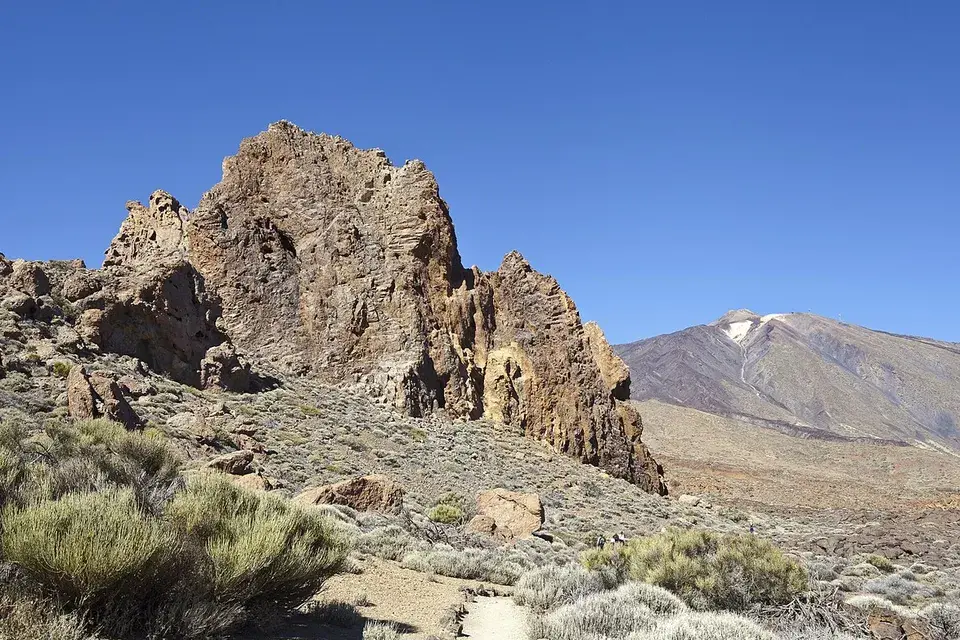
Cañada Blanca is a good pairing with the Roques de García walk. Your group can split up between the exhibits and the rocks for photos. Use the marked pedestrian access and keep an eye on traffic between the two sides of the road. Cañada Blanca looks at how people have used and understood the caldera, including the Guanche period.
Juan Évora is the smaller ethnographic stop by Boca Tauce, near the junction of TF-21 and TF-38. The site gives a view of shepherding and mountain life. It can be a first stop entering from the southwest or a final one on a southbound drive. Choose it for a shorter visit with a specific theme, especially if a larger centre would put the rest of the drive too late in the day. The park drive guide explains where the roads meet.
Telesforo Bravo in town
The Telesforo Bravo centre in La Orotava has separate morning and afternoon hours and closes on Mondays. It works as part of a day in town, or on the same day as a northern drive if the times suit. Its location also gives you a visitor option when the high park cannot be reached by road, provided the centre itself is open. The town and the caldera can have different weather and daylight conditions.
Planning time at a centre
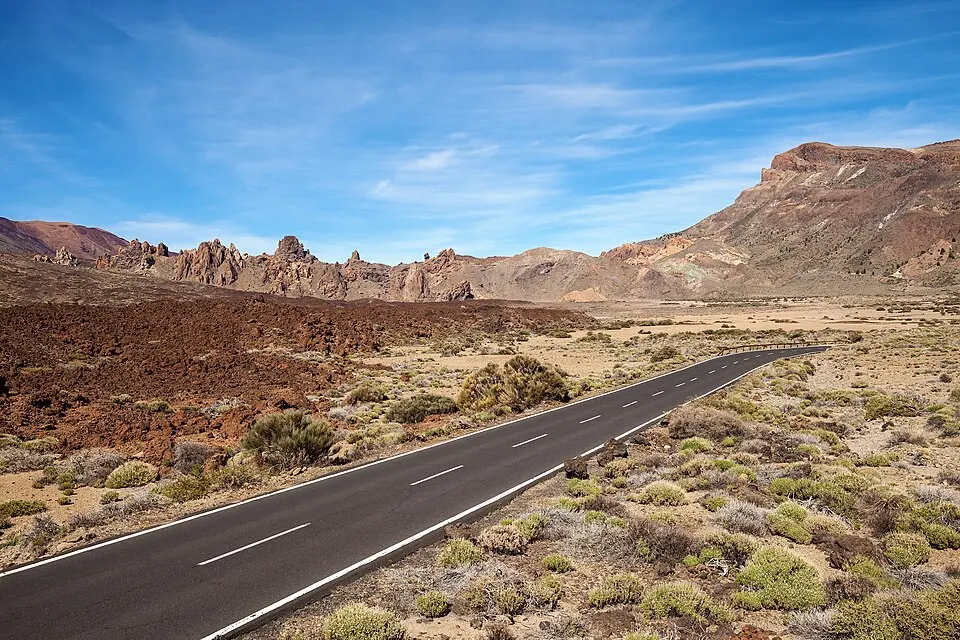
For a geological introduction and a view, combine El Portillo with an open viewpoint. For local history, use Cañada Blanca and the area around the Parador. If someone has limited mobility, the accessibility guide describes adapted paths and some shorter stops around the park. The road-level park guide puts these centres together with viewpoints so you can make a driving loop or do a short out-and-back.
Exhibits at each centre
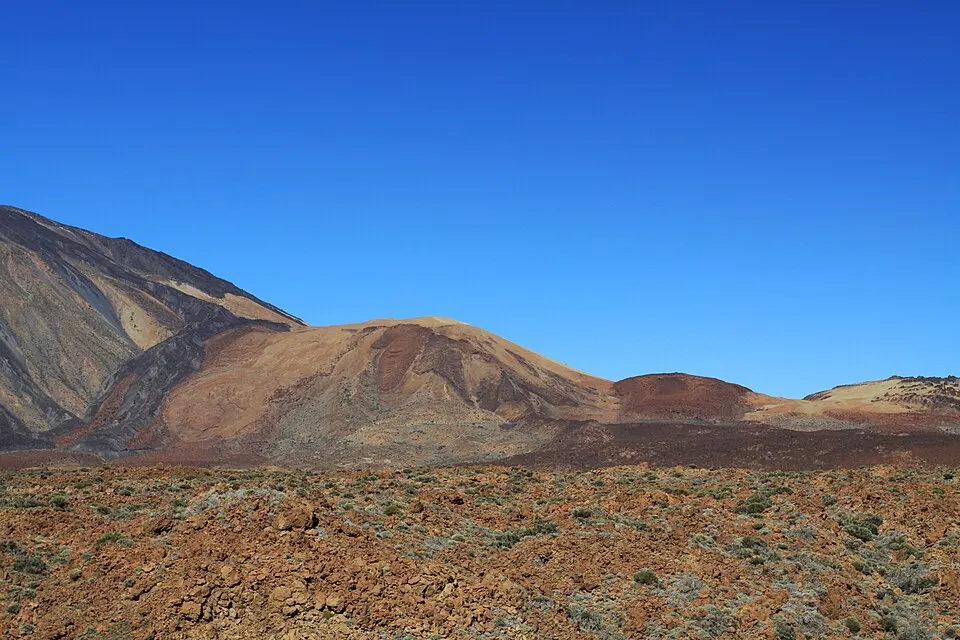
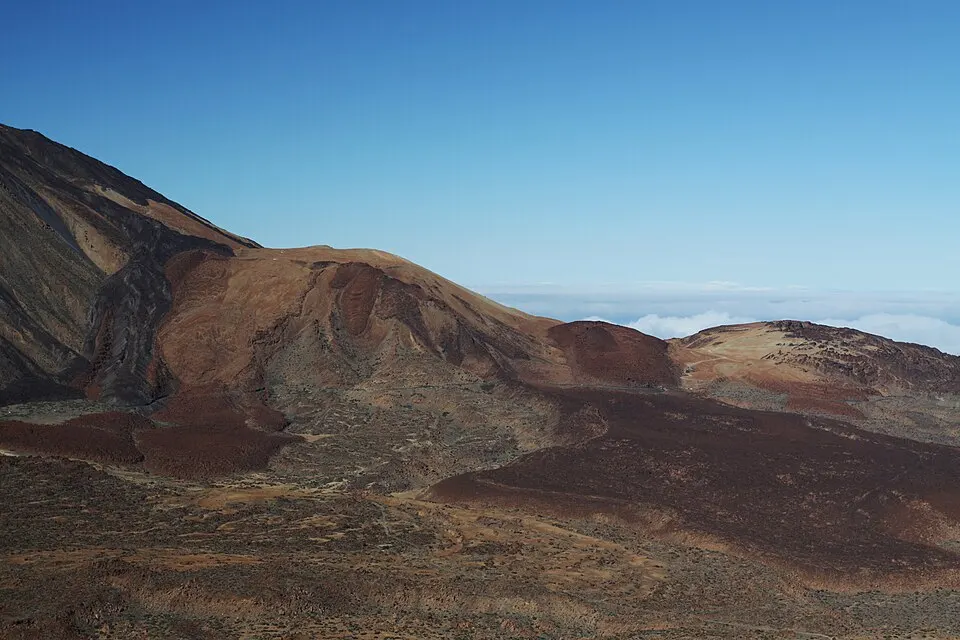
At El Portillo, begin with the explanation of how the island’s volcanic landforms developed and how plants and wildlife live on the plateau. A visit before the road across the park can help you recognise materials and vegetation again at the viewpoints. The centre can limit access to its garden and indoor exhibits separately. If poor weather closes the garden path, you may still be able to visit the exhibits indoors. One person can read about a walk or road section while the rest use the centre.
At Cañada Blanca, the human history of the caldera fits a look at the surrounding landscape. The national parks directory describes a terrace, landscape model and audiovisual information, including sections on research in the park. Visit before going to the rocks or use it as a second stop after a short walk. For an overview of the caldera, visit the terrace and the lookout when both are open.
Juan Évora has a smaller scope. Use it to see how a mountain setting was used for shepherding and working life. It sits by Boca Tauce and can work on a western or southern approach without adding the whole northern caldera to the drive. When arriving in one direction and leaving in the other, decide whether it is worth stopping straight away before heading across the park. On shorter winter days, opening time and road conditions can make a late return to the site less practical.
Entrances, hours and access
The state of a trail behind a centre and the opening of its doors are separate. The centres’ published hours and approach roads determine whether you can substitute an indoor visit for a walk. Access to an exhibition, terrace or other facility depends on the centre and on which spaces are open when you arrive. If the building is closed or daylight is fading, choose an open roadside stop.
On its published opening days, Telesforo Bravo in La Orotava town closes between 14:00 and 15:30. If you arrive around the midday break, you can look around town before the centre reopens and set aside a separate day for the park. Know the centre’s name when searching, since more than one park facility appears in results for La Orotava municipality. The highland visit east of the town remains a separate drive.