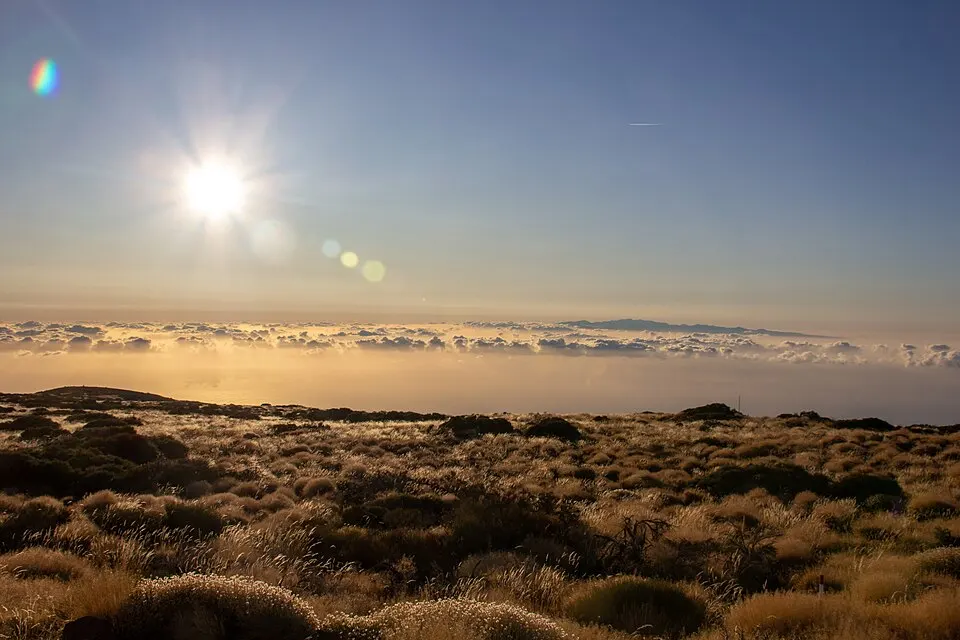
01 · Lift and transport
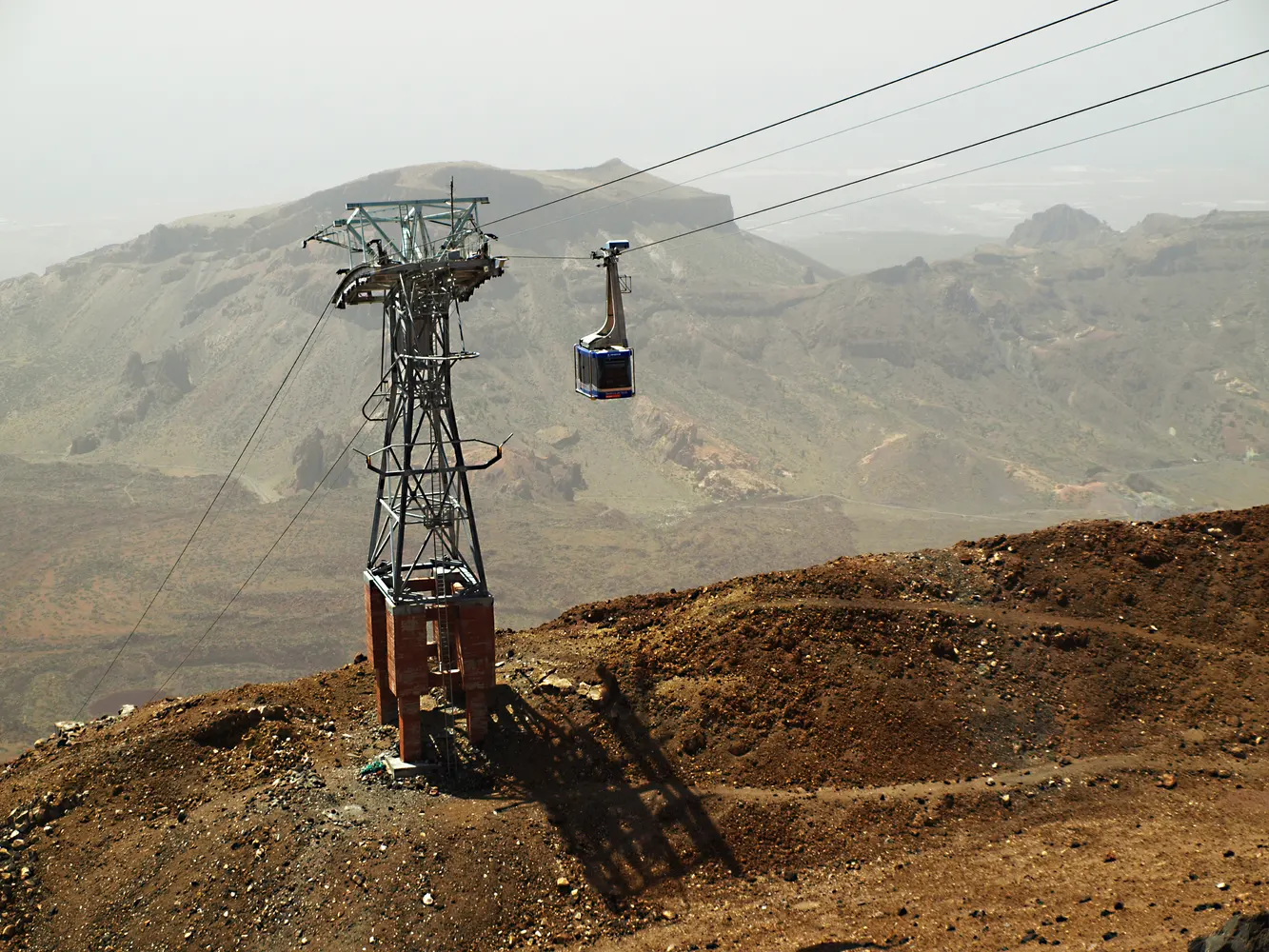
Teide cable car day tour
Teide cable car day tour
The cable car goes to La Rambleta. Summit trail access is separate.
From $101Read more
See dates and availability→Before you go
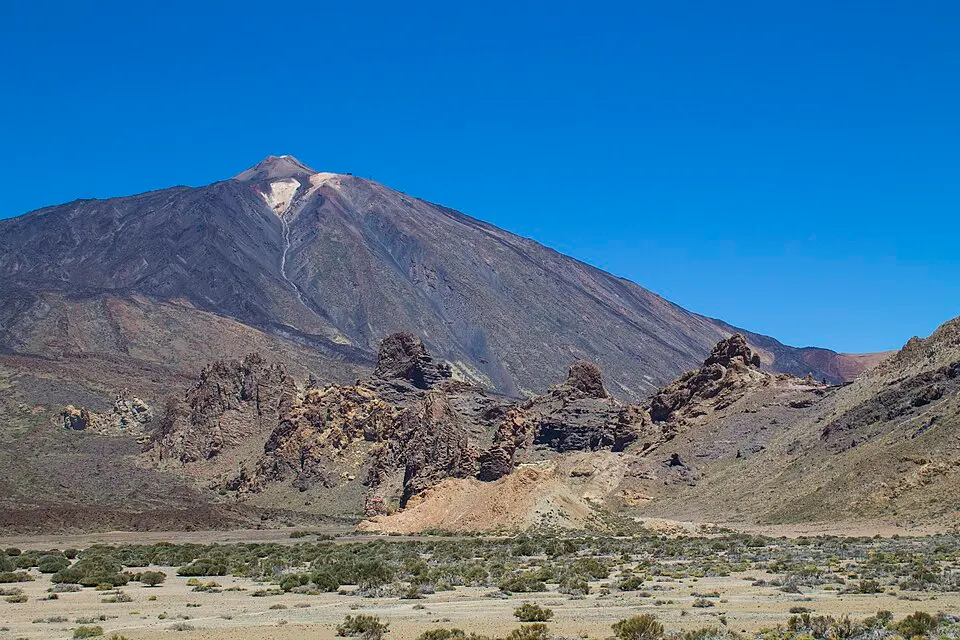
Tenerife · Teide National Park
A Tenerife volcano with three different ways up
Why Teide
Walk among the rocks, ride to La Rambleta, or book the final climb.
Visit the caldera viewpoints for free, buy a return cable car ticket to La Rambleta, or reserve the trail to Teide's summit. On 19 November 2026 the published nonresident cable car fare was €43 return per adult. The ride finishes at 3,555 m, below the summit, and a lift ticket does not reserve the last trail.
Visit without the cable carWe may earn a commission if you book through these links, at no extra cost to you.
Tickets and guided tours
Ride to La Rambleta, tour the caldera with pickup, or walk up Teide with a guide.
01 · Lift and transport
Teide cable car day tour
The cable car goes to La Rambleta. Summit trail access is separate.
From $101Read more
See dates and availability→02 · Caldera and Roques
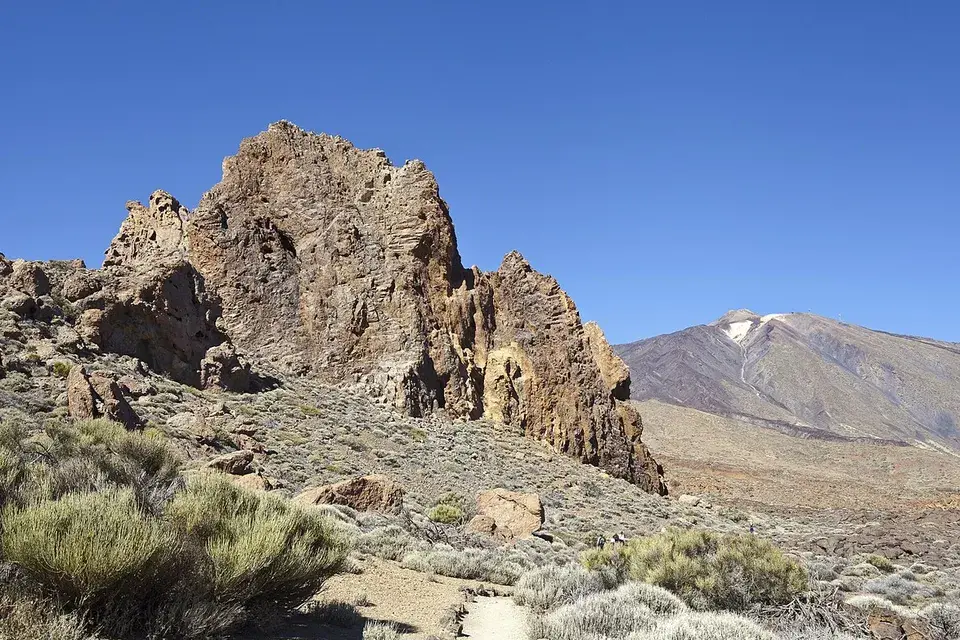
South Tenerife park minivan
The itinerary passes volcanic country, including the Pico Viejo lava field, and stays below the cable car.
From $77Read more
See dates and availability→03 · Summit on foot
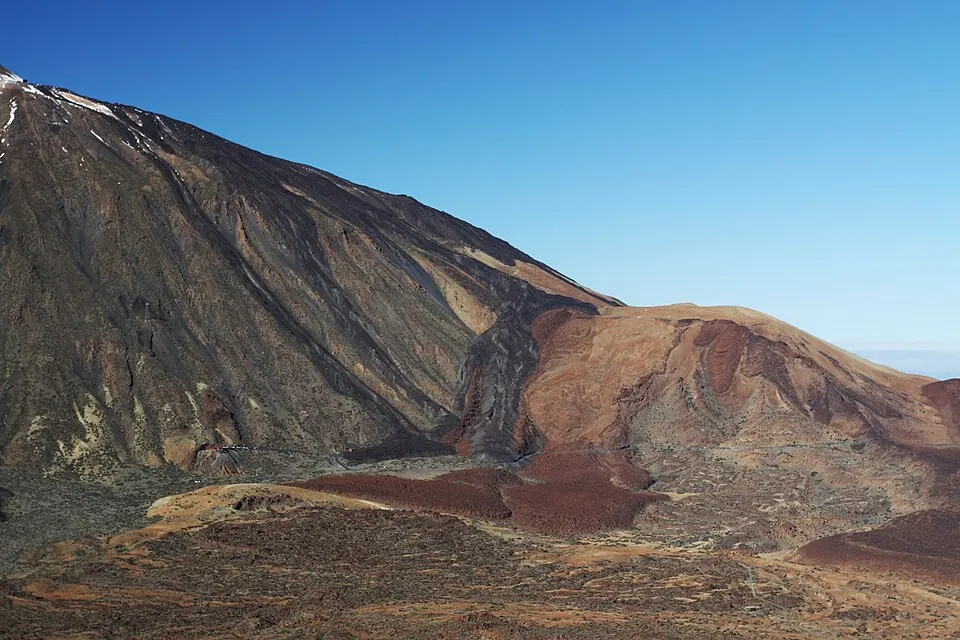
Guided on-foot summit hike
The listing prices the descent by cable car separately and describes a 20 km hiking day when the lift closes.
From $210Read more
See dates and availability→From Las Cañadas to the summit
The lower stops give you a broad view of the mountain.
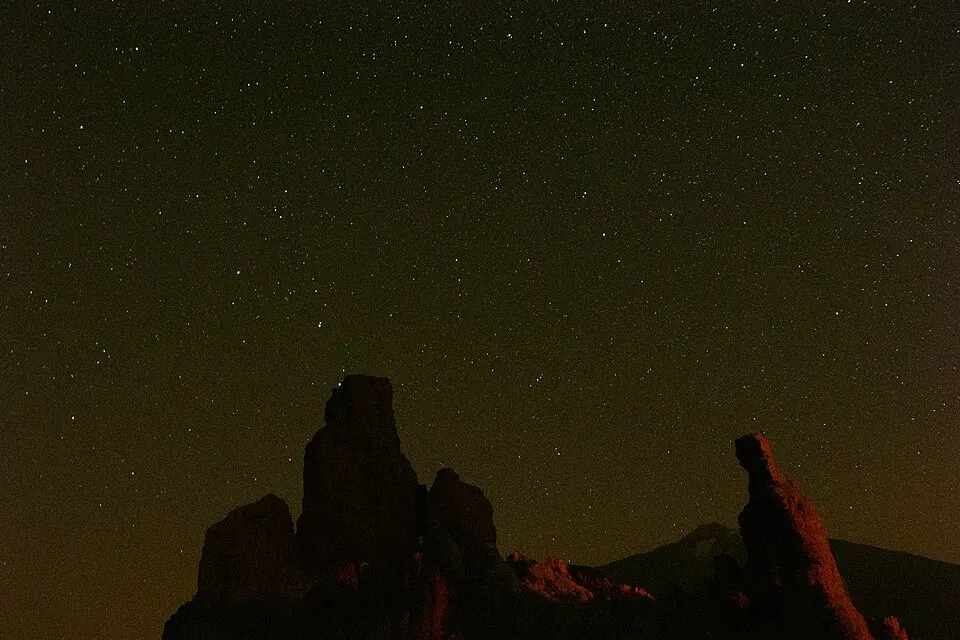
A line of rock formations in front of the volcano
From La Ruleta, walk towards Roque Cinchado and look for the line of rock formations against Teide. The opening stretch has an adapted section. Set a meeting point at the overlook if some people want the short approach and others want to follow the loop down into the basin.
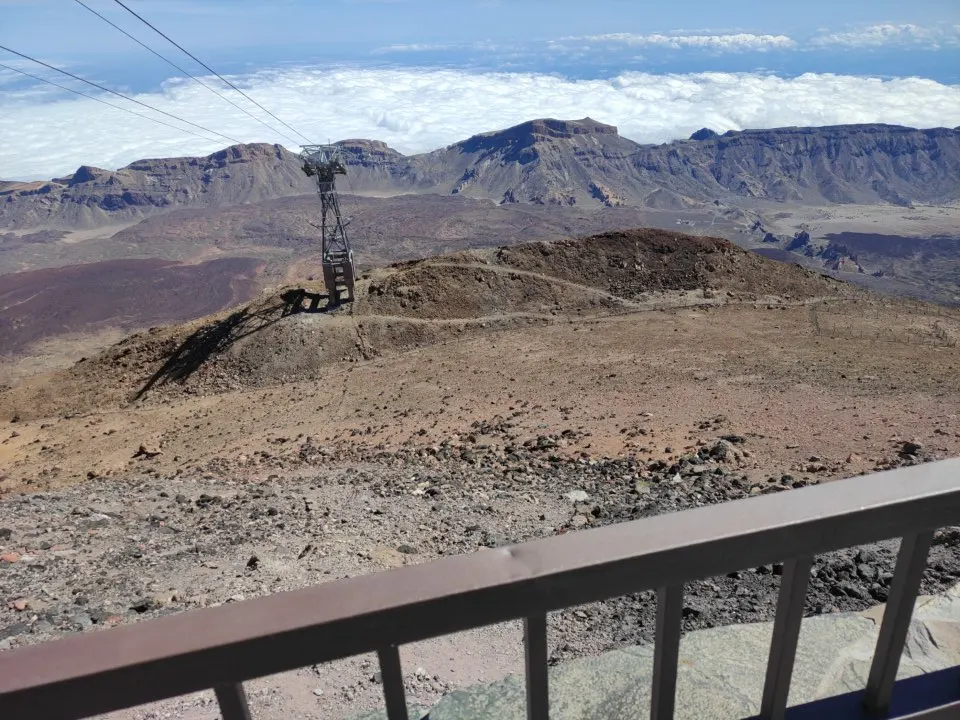
A short ride to the upper station
Book a departure from the lower station and ride to La Rambleta. You can look out from the upper station or take an open viewpoint path. Check the forecast and the clock before starting out. The wind can stop the lift, and every walk still needs to fit the trip down.
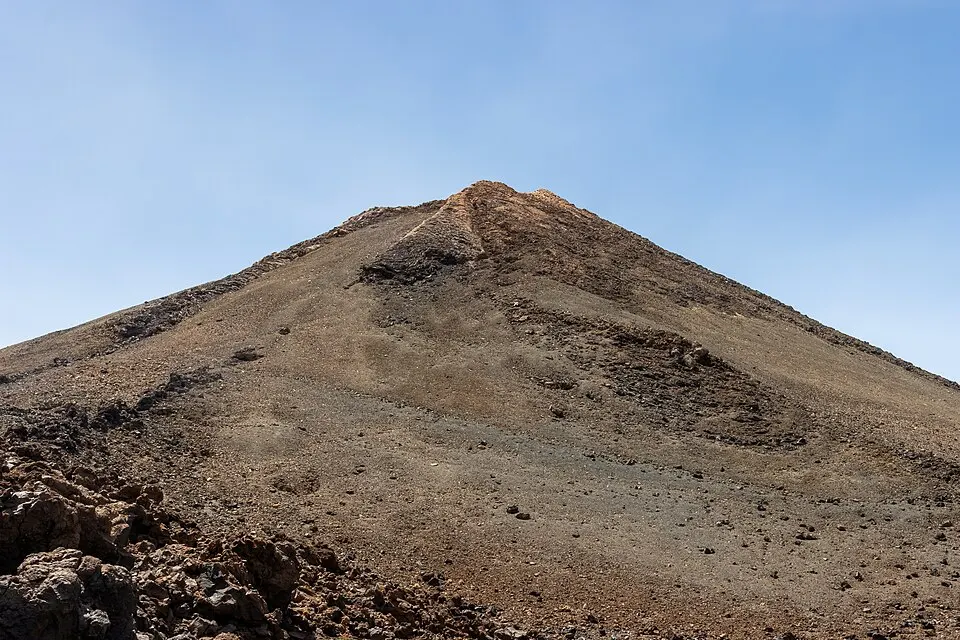
The climb above La Rambleta
Reserve PNT 10 to walk the last stretch from La Rambleta to the summit. Pick the slot after looking at how you will reach the trail gate. The Montaña Blanca approach has its own booking, while cable car riders need to fit the walk between the two legs of the ride.
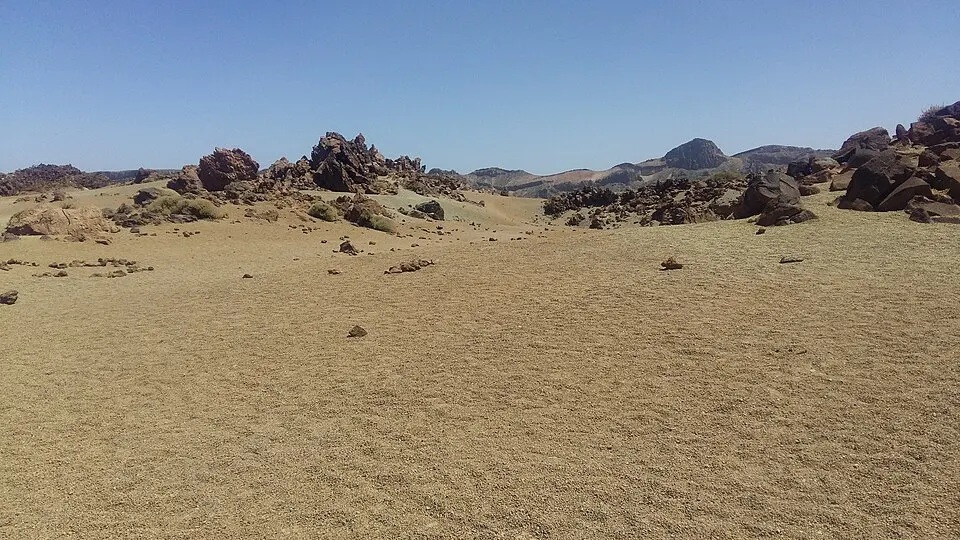
A light patch in the volcanic basin
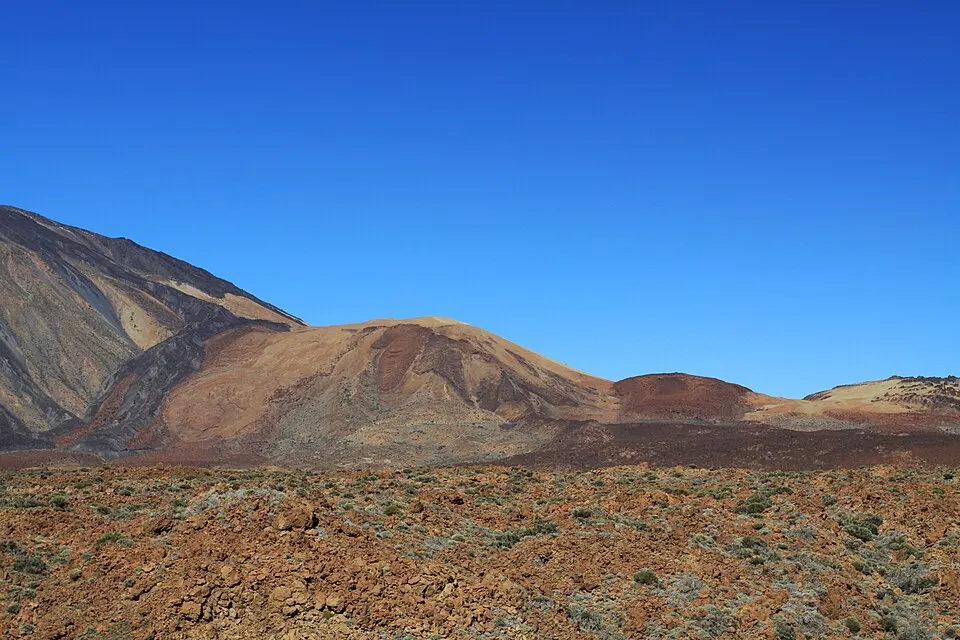
Stop in the signed parking area at Minas de San José to see broad patches of pale volcanic material among darker rock. The view is different from the towers at Roques de García. Fit it in near El Portillo if you are crossing the caldera from the north or the observatory road.
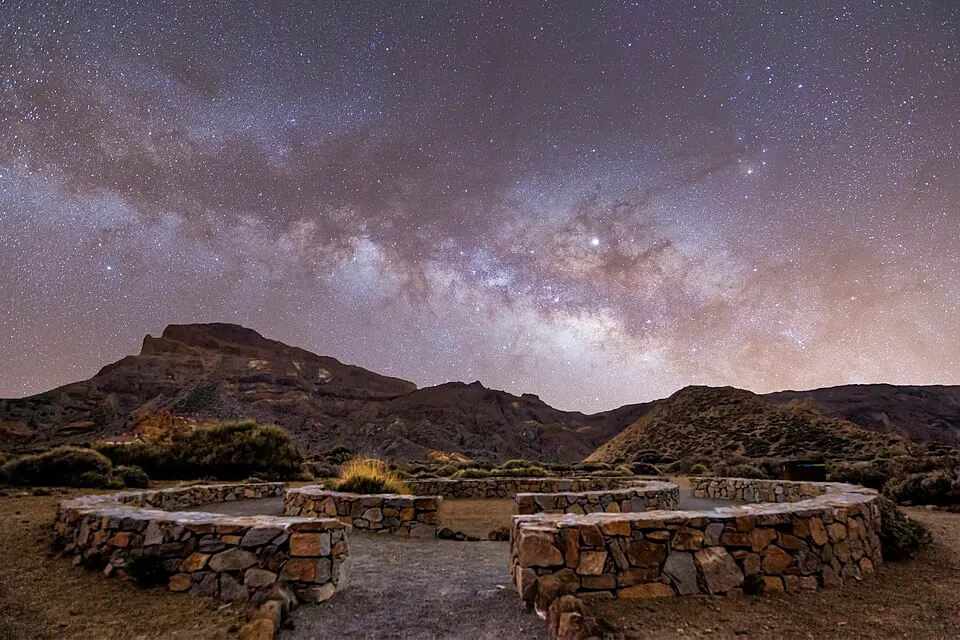
A telescope session or a stop of your own
Choose a guided telescope session or find a designated place to watch the sky on your own. Check cloud and wind, bring warm clothes and arrange how you will get back. The buses down to the coast leave in the afternoon, so plan an evening pickup or a drive.
Rock · geology · astronomy
Look closely at the rock and see how the high ground shapes the visit.
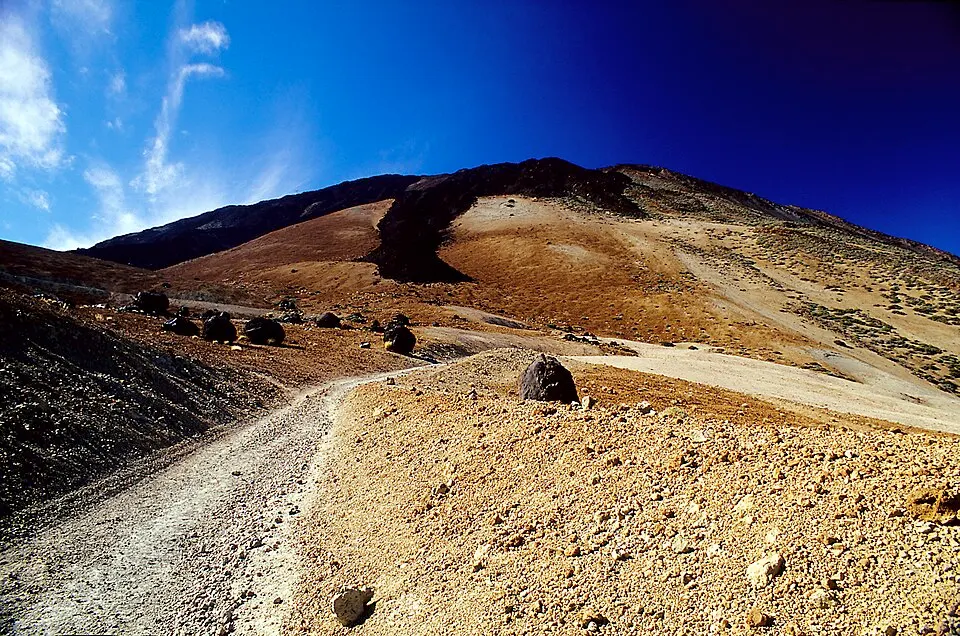
Climb past volcanic blocks and the refuge on the way to La Rambleta.
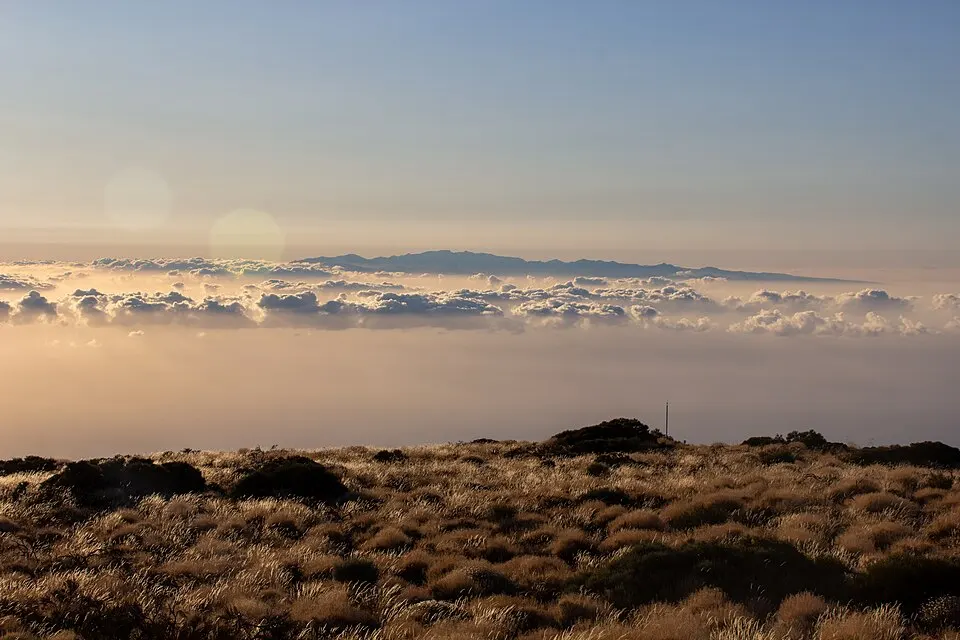
Choose between the view towards the western crater and the northern look over Tenerife.
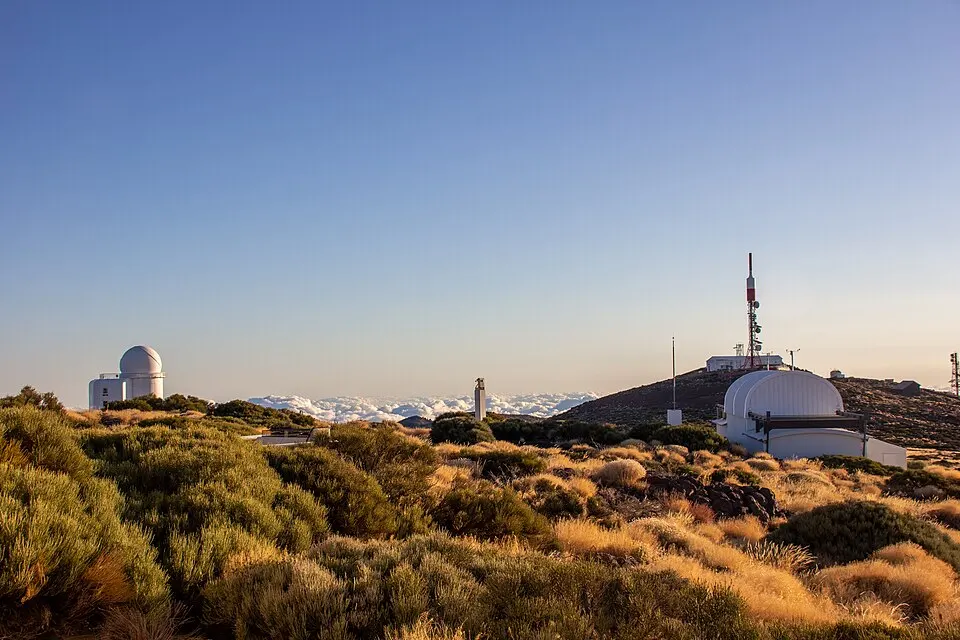
See the research site and, in suitable conditions, use a solar telescope with a guide.
The longer outings
Leave enough time for the descent, especially when the lift is part of your plan.
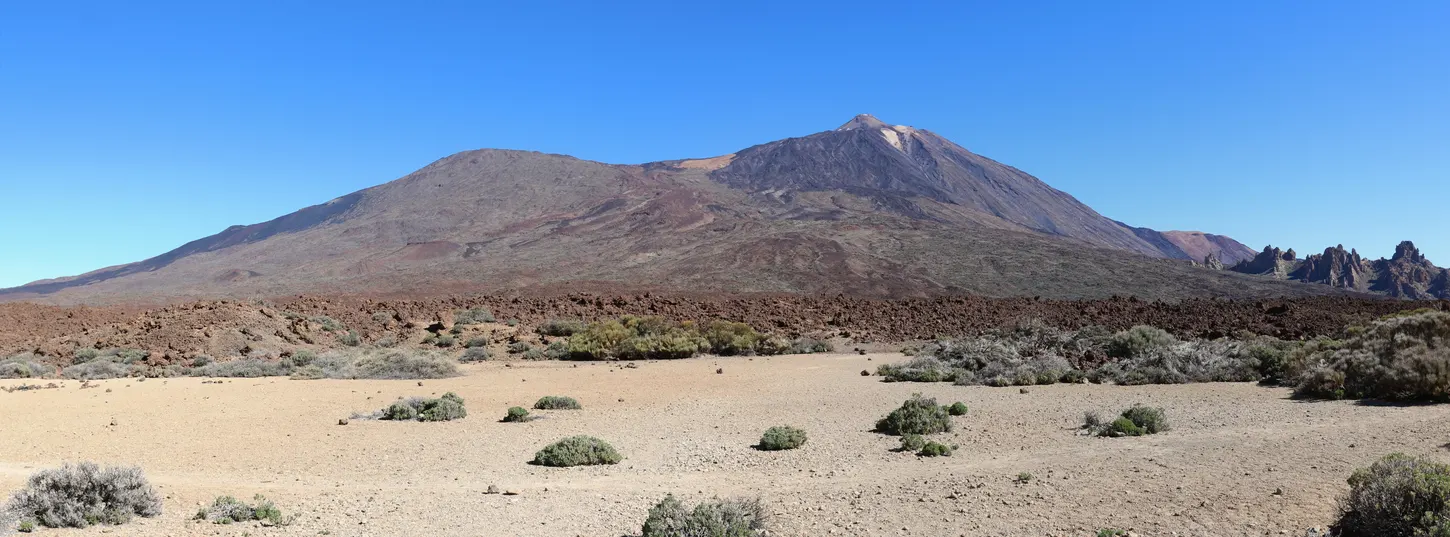
A long walk to the west road with different access and terrain from the nearby lookout.
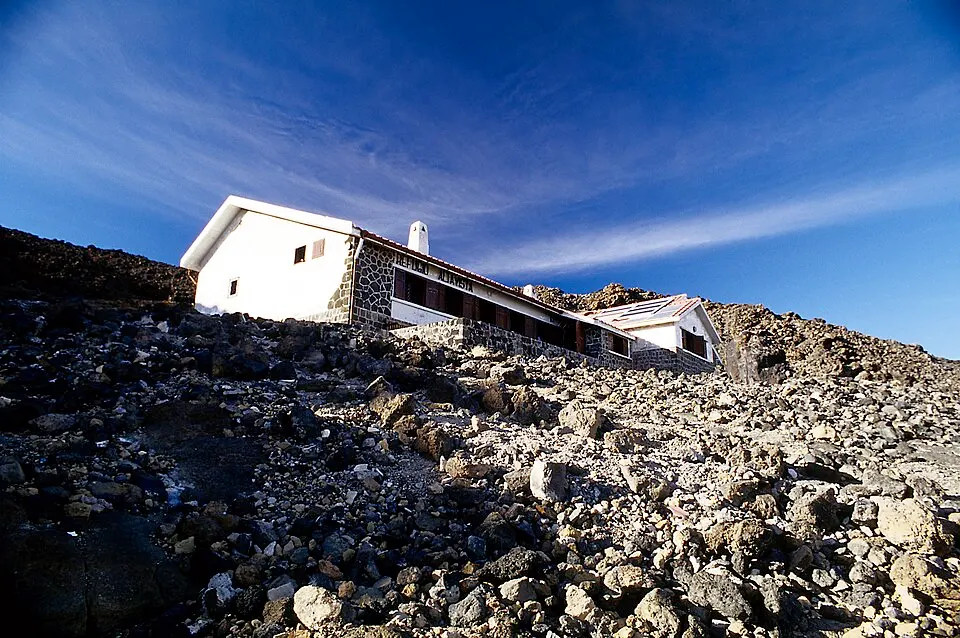
Stay on the mountain between the lower path and a possible dawn start.
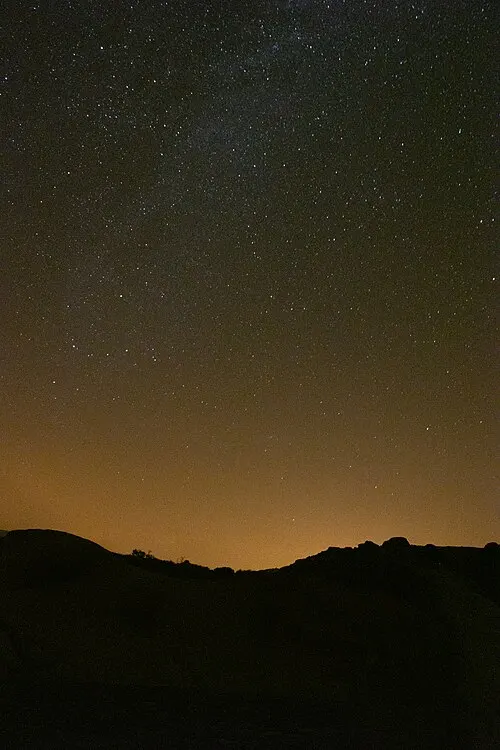
Find a legal place to stop under an open sky and have a road home.
Where to stay
Choose where to wake up by the drive or pickup you need.
The Parador is near Roques de García. Vilaflor suits the southern road and La Orotava the northern approach.
Bus stops and tour pickup points differ from one hotel to the next.
Before you go
Use the road, bus and weather information for the specific trip you want.
Lines 342 and 348 go to different coasts, and each has its own return times.
The base station and Montaña Blanca trailhead are separate places to leave a car.
An open road can coexist with a closed lift or a restricted trail.
The guide
Mount Teide sits inside a broad caldera in the middle of Tenerife. On a map the mountain can look like a single stop. On the ground, the drive through Las Cañadas, the lift to La Rambleta and the climb to the summit work like different outings. The caldera is where you see the volcano in context. From the low side of the basin its cone rises behind cliffs, open flats and older volcanic formations. The lift is the quickest way to look out from high on that cone. The summit walk crosses the last bit, where the path and capacity are managed separately.
| Item | Published information |
|---|---|
| Park entry1 | Free at ordinary road-level stops |
| Cable car return2 | €43 per nonresident adult |
| Ride3 | 2,356 m to 3,555 m in about 8 minutes |
| Summit4 | PNT 10 reservation required |
Start with the cable car ticket guide if your main aim is the high view. If you want to stand at the highest point, start with the summit permit guide before spending money on the ride. If the height or time commitment sounds like too much for the group, use the road-level park route and see the cone from a succession of stops. You can have a full day in Las Cañadas on the busier lift dates without needing to look for a substitute ticket.
From La Orotava the TF-21 climbs from a populated valley into pine country before reaching the high ground at El Portillo. The road carries on into the caldera and eventually past the main cable car turning. Coming from the southwest via Chío, you meet the western volcanic country first and can see how much bulk Pico Viejo has before you get near the main cone. The Vilaflor approach reaches the park from the south past sections of the rim. From La Esperanza the TF-24 follows the ridge and reaches the observatory area before El Portillo. Each approach gives you a different first view. The road that makes the best sense on the way in may leave you a long way from your hotel at the end of a loop.
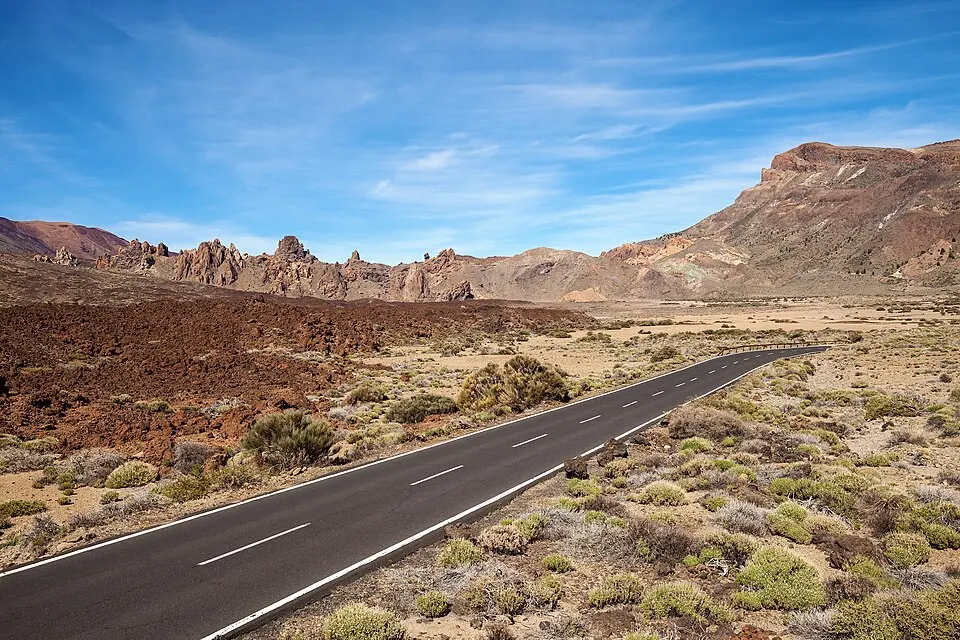
Down in the basin, the rock gets your attention before the height does. At Roques de García, the taller individual formations stand in a line across the view of Teide. At Llano de Ucanca the flat ground makes the sheer walls at the edge of the caldera easier to read. The light-coloured ground at Minas de San José gives a third view of the materials around the volcano. Put a little distance between those stops and the park looks different from each one. Pick pull-outs from the park viewpoint directory and keep the approach road clear.
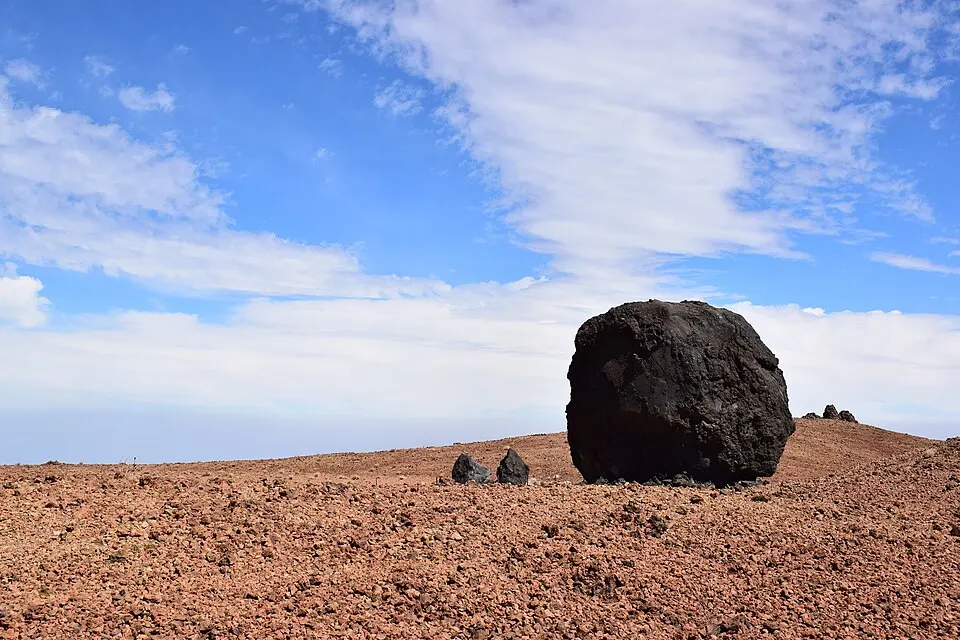
UNESCO’s World Heritage description puts the cone, its lava deposits and the enclosing landscape in the same geological story. You can follow that story without getting far from the road. Standing at a signed viewpoint and seeing how the rock runs across the basin gives you a better sense of the volcano than the view from a moving vehicle. The visitor centres add material about the plants and the history of the terrain, which helps if you have just driven through the pine belt and want to understand where the trees went.
A summit permit comes with a window. A cable car ticket comes with a departure. A guided pickup comes with a meeting point. The public bus has a last workable ride downhill. These are the parts of the plan you should put on paper. The roadside viewpoints are flexible and can move around them, subject to access. Leave time to get from the road to the correct stop at the base station. If someone needs to eat or move slowly, reserve time for that before checking whether the day also fits Roques or El Portillo.
With a group in a car, set a named car park as your meeting point. Decide whether you will return on the same road or finish at a different coast. Take provisions with you unless you have checked where you will stop for food. If the lift opens late, you can move a caldera stop ahead of it. If the lift closes for the day, spend the time in the basin and take care of the booking before you move on. The park posts road and trail restrictions separately from the cable car’s service bulletin.
With the park buses, plan much more conservatively. Choose the stop that matches the main visit and be at the correct side of the road for the ride back. Lines 342 and 348 head back to different coasts. Any circuit service you plan to use is a connection with a published time. If everybody wants to see the park after dark, a day bus will leave you short. After the afternoon buses, a tour with return transport or your own car gives you a way back from the caldera.
At Roques de García, you can walk a little way out to see the formations and return to La Ruleta. The full loop goes down below them and later climbs back, which changes the type of footwear and the amount of time it needs. Above the cable car, the signed viewpoint trails have rough ground and expose you to the wind. The distance on the map is small but the slowest walker still decides how far the group gets.
Montaña Blanca is a different outing. The track crosses pale volcanic ground and climbs to the Altavista area before more exposed ground towards La Rambleta. Read the route sheet and choose an on-foot return you could complete if the lift stopped. Save the PNT 07 and PNT 10 reservations separately and make sure each person has identification. The lift-assisted guided climb arranges permits for an extra fee. The on-foot listing includes trail permits and prices the descent cabin separately, so the two packages can get you off the mountain in different ways.
Book a daytime visit if you want the rock formations, the colour of the open basin or a visit to the observatory. The observatory’s regular public activity happens in daylight. Solar viewing depends on the sky and on the visit you buy. It takes place among research installations off the ridge approach, away from the base of the lift.
For a night under the stars, decide whether you want a telescope and a guide or just somewhere lawful to stop and let your eyes adjust. The car park that works in the middle of the day may close at night. Even on clear evenings, wind and cold affect how long you can stand outside. The sunset lift package meets for the cabin ride and holds nighttime viewing at the base. A standalone telescope session uses a road-level meeting point. The return time matters if anyone has an early departure the next morning.
Plan a break if you want to visit in daylight and stay after dark. A daytime bus up and down works well for someone staying near a departure terminal who wants one fixed visit. A road-level day followed by an organised evening on a second date gives you time to watch conditions and keeps a cancelled lift from costing you the whole trip.
The park publishes the mountain forecast and road and trail notices. The operator publishes current lift service. An open approach road tells you only that you can drive in that way. The lift can remain closed because of wind above the caldera. A permit can exist for a trail that is still closed because of ice. After a weather event, sections reopen on their own timetable. A car can get into the basin before the high walk is suitable. If that happens, stick to places the official bulletin says are open.
Download routes and reservations before you leave. Take an extra layer and bring a bag for anything you carry in. Stop in designated areas and give other visitors room on the trails. When choosing activities for people with very different abilities, agree on a place where the group can split and reunite. A group can enjoy the same skyline from the accessible Roques section and the longer loop without trying to make everybody complete the same circuit.
Stay at the Parador to start near Roques de García and Cañada Blanca. If you are choosing a room for the drive, Vilaflor is on the southern approach and La Orotava is below El Portillo on the north side. Compare the check-in time with the final part of your plan. Coastal evening pickups can use central meeting points. The return stop in your booking determines whether you can walk back to your room or need another ride.
Altavista is a mountain refuge on the Montaña Blanca approach. A bed there can put you closer to La Rambleta in the morning. The refuge booking includes a 06:00 to 07:30 PNT 10 window the next morning, when the trail is open. You will need to walk to the refuge and then arrange your descent, so treat it as part of a hike when comparing it with a road-accessible room.
The roads and signed viewpoints offer a free visit to the national park when open. For a lift outing, budget the published return ticket in the table. Add the actual permit amount shown in the booking calendar if you are going to the summit. On guided visits, lift tickets, trail permits and pickup are included only when the listing for that option says so. A park tour can also skip the lift entirely, leaving the day less dependent on upper-station conditions.
Ready to go?
Choose a road-level visit or use the cable car to reach La Rambleta.
Find your Teide tourGood to know
Ordinary road-level visits are free. The cable car, applicable trail charges and guided experiences are separate.
The upper station is La Rambleta. PNT 10 continues to the summit and has its own reservation.
Yes. The 342 and 348 work for daytime visits, and several tours offer pickup. The evening return needs separate planning.
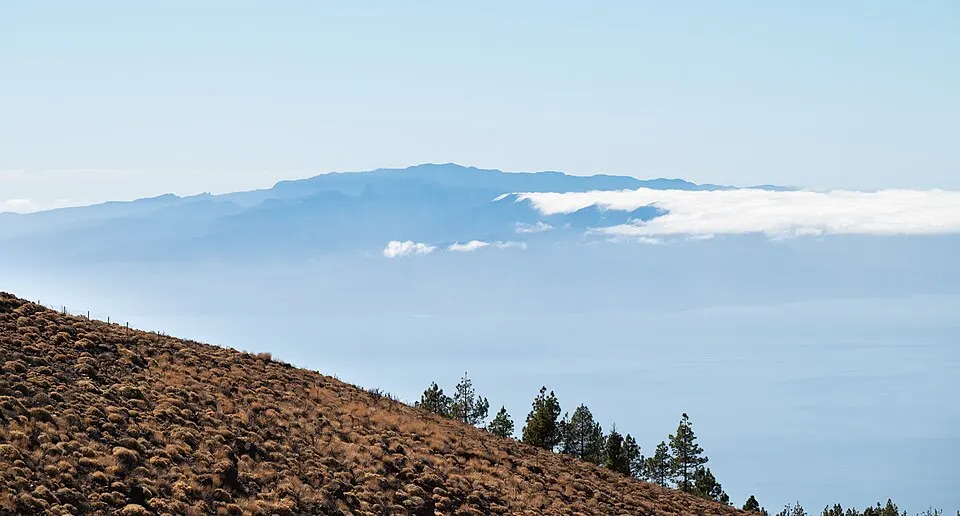
In clear conditions there are views beyond the national park. Clouds can hide the coast and the islands, and wind can close the lift.
Yes with your own transport or an evening tour. Plan the return before heading up. The regular park buses leave in the afternoon.
Booking through this button may earn us commission without increasing your price.
Our pick · from $101
See dates