Pick a legal roadside stop
Begin with Teide National Park’s signed viewpoint list and access notices. A marked viewpoint has a name you can select before leaving, and a location someone else can use if they need to meet you. The gazetted management plan lists La Ruleta and the area near Cañada Blanca, the Minas de San José car parks, and designated cable-car parking among the places for telescopes. At Portillo Alto the authority can further specify the allowed spots. On-site signs and barriers can restrict entry to car parks after dark. You need an open place to pull completely off the road and somewhere to stand away from vehicles. Give a crowded lot a miss if the spaces or the standing area are full.
| Item | Published information |
|---|---|
| Southbound scheduled trip1 | 15:40 from the cable-car stop |
| Northbound scheduled trip2 | 16:05 from the cable-car stop |
| Telescope areas3 | La Ruleta, Minas de San José car parks and designated lift parking are among the sites listed |
| Closures4✓ | Check road and park access before driving up |
Choose a legal viewing spot
- Pick the stop in daylight. Look for a legal pull-in with room to stand clear of the road and moving cars.
- Way home. Plan to leave by an open road even if cloud comes in early or you have to move to a different car park.
- Choose one patch of sky. A view to one horizon is easier to plan than arriving in the dark and driving between stops.
Plan your return first
The normal Teide buses leave too early for night viewing. A rental car or a private ride makes a self-guided night possible. Familiarise yourself with the route before sunset so the drive back is on a road you already know. If a hire company takes you up, agree the exact stop and pickup time and choose a meeting point the driver can use safely in the dark. The driving guide distinguishes the main approaches.
Sky and road conditions
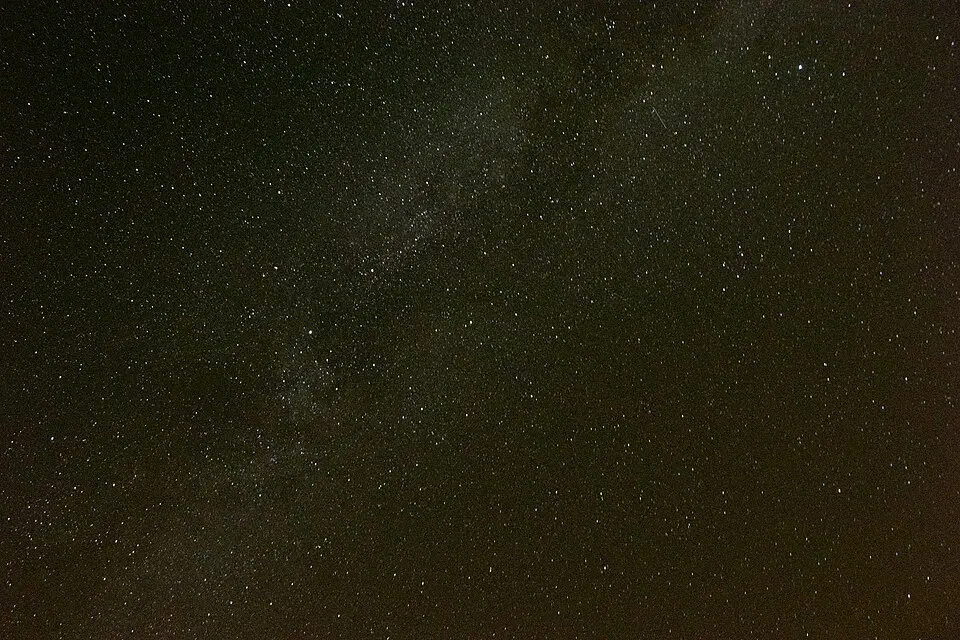
Read the mountain forecast and closure notices on the day. For the sky itself, decide whether you want to see the Moon, brighter stars or faint objects. The Moon above the horizon makes it harder to see faint features, though it can help light the surrounding rock. Thin cloud can spoil faint viewing even if the road remains dry. If the mountain is in cloud, postpone or watch from a clear lower site.
Give your eyes time to adapt and use a light you can aim at your feet. Keep light out of other people’s eyes and drivers’ field of view. Cold and wind matter when standing in one place. Wear warm layers and tell another person which stop you intend to use, particularly if you plan to leave after the rest of the visitors.
Guided and observatory visits
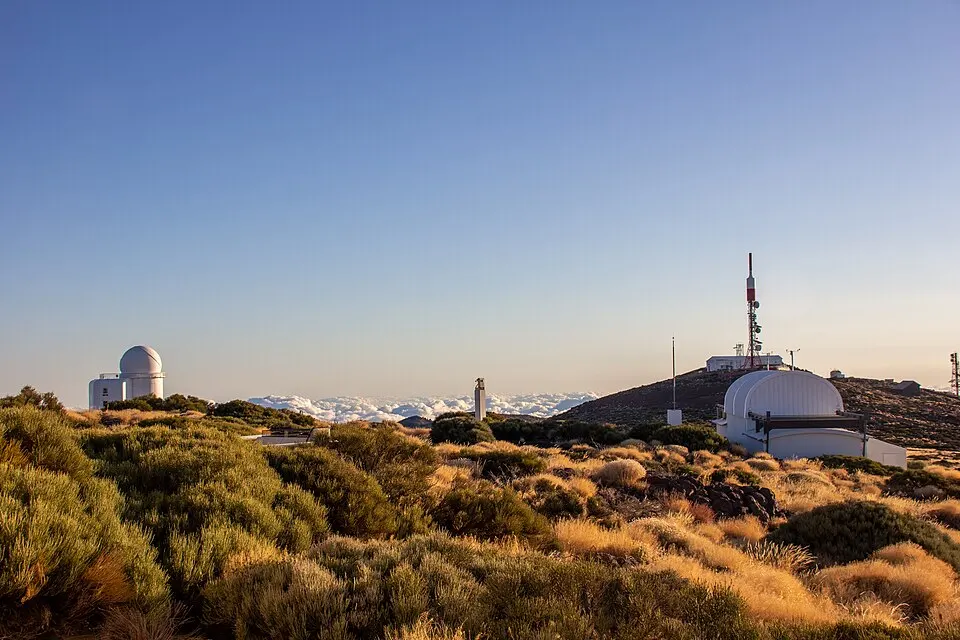
The Teide stargazing options compare a standalone telescope session with an evening package that may include transport. Pickup helps if travelling independently at night is the difficult part. A fixed meeting point works for visitors who can already drive but want a guide to identify objects or set up a telescope. The Teide Observatory visit is a separate daytime appointment at Izaña. Its tour describes how the research instruments are used and can include solar viewing in suitable conditions.
Comparing roadside viewing areas
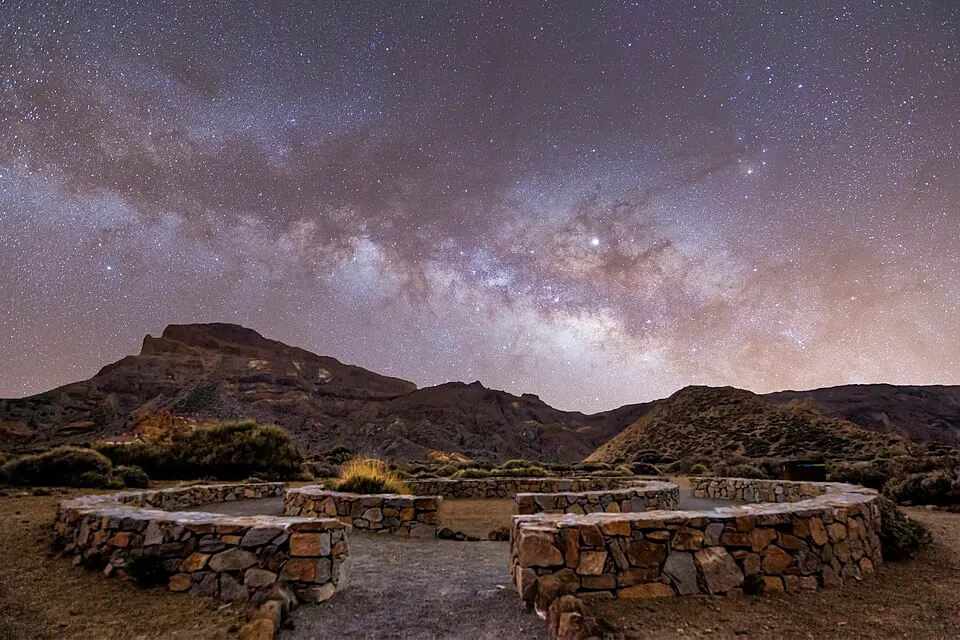
Near La Ruleta, you can look over the rock towers and the open caldera. The park management plan includes the pedestrian area near the lookout among the telescope sites. Walk the route from the car while it is still light and stay out of the road and away from the edge of the overlook. Park staff can close an area for safety. Follow the current signs and leave barriers closed.
At Minas de San José, use the signed parking areas specified in the same plan. The pale landscape is easy to recognise during the day. Select an actual parking area, since the similar ground near it is not itself a place to pull off the road. Set up only where you have permission without changing the ground. If you are travelling in a group, decide which lot before departing. Both the sign and a saved map pin are more useful than the local name alone in the dark.
The plan also lists designated parking near the cable-car turn on TF-21 and at the lower station. The lower station has its own access hours for visitors. If a gate is shut, stay on the public road and use a stop that is open. An organised trip can give separate night arrival directions. Those instructions apply only to the booking and location they describe. At Portillo Alto, the park rules can limit telescope use to particular designated spaces within the area.
Time your walk before dark
An independent visit can be short. Plan to get out, look in the direction that suits the sky that night, then return to the car with your group. Minimise extra driving after dark by using the same approach you checked during daylight. Tell someone your expected return and choose where to wait if a friend drops you off. Do not walk from one parking area to the next along a twisting unlit road. If the weather forces you to leave, you should already know which paved road you will use to get down.
If you carry a telescope or a camera tripod, use a surface that is open to visitors and position it where people and vehicles can still pass. Keep clear of the lane into the car park. Observe without installing a structure or altering the ground. Use a small light only as necessary for moving safely. The official park rules cover lights and behaviour after dark. Staff instructions apply if an area is restricted on the night.